
1 way to improve your Home Energy Score.
If you or your family has owned a home in the Bay Area Lately.
I'm sure you're aware of your Home Energy Score. It's a score your given if you want to sell your home or get an upgrade that requires a permit.
Lord knows there isn't always a budget for home improvement, when the price of groceries and gas has noticeably trended up.
So we will explore some budget friendly ways' to improve your Home's Energy Score. Bare in mind every home is unique.
The best strategies tackle the low hanging fruit 1st. Then level up depending on the need for it.
For this to make sense Bay area homeowners need a baseline to be able to gauge whether their home is efficient or not. That baseline is your energy bill.
Averages $160 per month for apartments, $450 for single homes, $700 for larger than average homes.
If your paying more than that. Sorry to say there's in inefficiency somewhere that needs to be fixed.
This would come up in an Audit and your Home Energy Score will be affected.
Not to worry if your looking for lowest effort thing to tackle 1st.
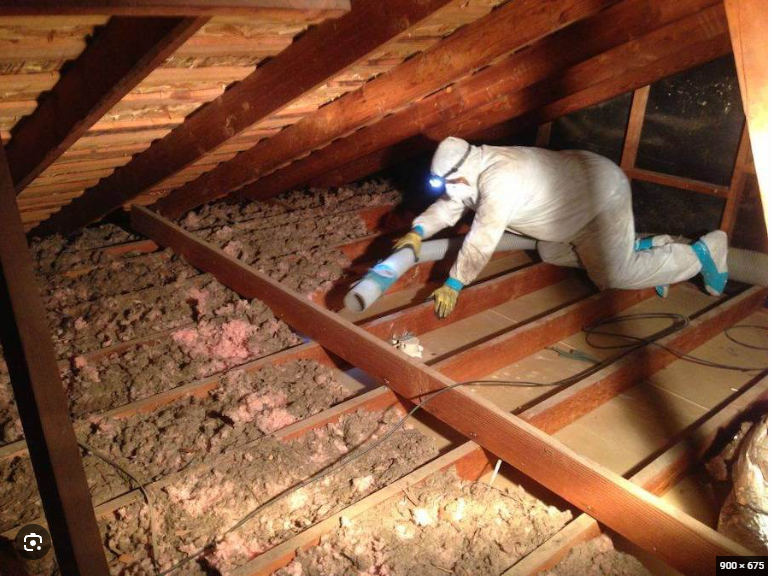
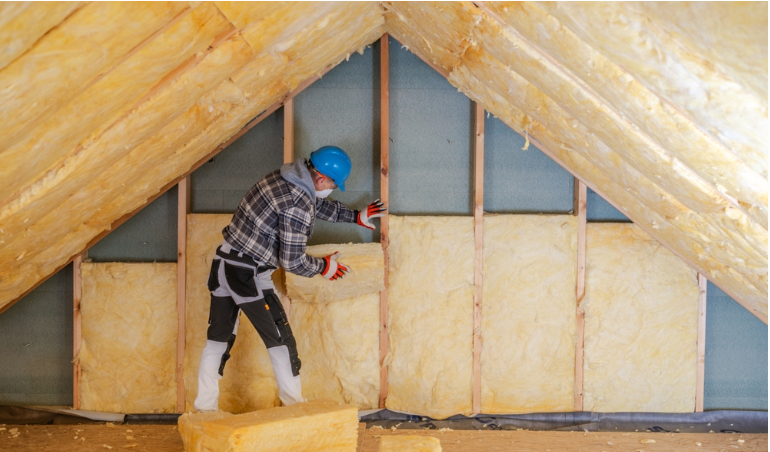
Air sealing + adding (or topping up) attic insulation is generally the easiest high-impact action for most existing homes.
Why this combination wins
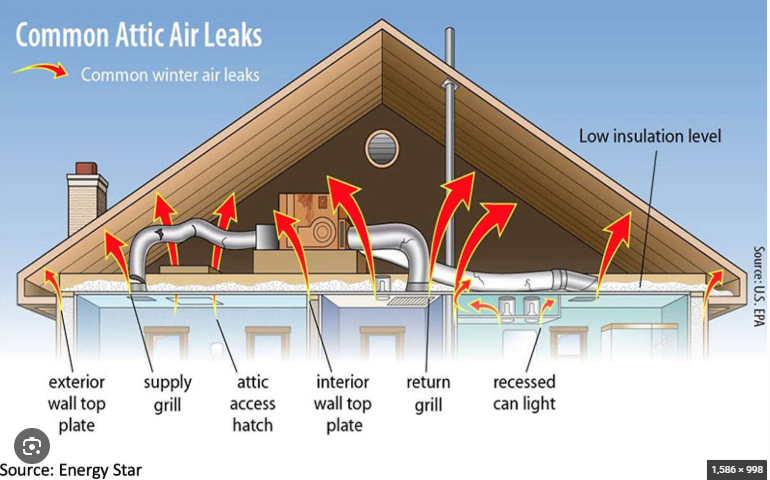
- Greatest practical impact: Heating and cooling make up nearly half of a typical U.S. home’s energy use. Air leaks and inadequate attic insulation are among the biggest sources of waste. Sealing gaps and properly insulating the attic commonly cuts heating/cooling costs by 10–15% (sometimes more in poorly sealed older homes) and improves overall energy performance scores that green mortgage programs care about.
- Relatively easy and high ROI: Compared with solar panels, full HVAC replacements, or window packages, this is lower-cost and less disruptive. Many sources rank air sealing as the top dollar-for-dollar energy saver, with attic insulation close behind. Payback is often 2–7 years (faster with available rebates/tax credits), and the benefits last decades.
- Foundational for everything else: Doing this first reduces the size and cost of any future heat pump, solar system, or other upgrades. Green mortgage programs (Fannie Mae HomeStyle Energy, Freddie Mac GreenCHOICE, etc.) frequently treat basic weatherization and insulation as eligible improvements—sometimes without requiring a full energy report for modest amounts.
How easy is it in practice?
- DIY-friendly parts: Weatherstripping doors/windows, caulking gaps, sealing around penetrations (pipes, wires, attic hatches), and adding attic insulation (blown-in or batts) can be done by many homeowners with basic tools and guidance.
- Professional option: A contractor can handle air sealing (often with a blower-door test) and attic work in a day or two for most homes. Costs typically range from roughly $1,500–$5,000 combined depending on home size and current condition (before rebates).
- Quick path for green mortgages: These measures improve the results of a home energy assessment (HERS or DOE Home Energy Score), which is often required or helpful for qualification. They also qualify under many “basic weatherization” allowances.
What it means for you
You’ll likely see lower monthly utility bills, better comfort (fewer drafts, more even temperatures), a stronger energy rating that helps with green mortgage eligibility or better loan terms, and potential tax credits/rebates (federal incentives have covered portions of insulation and sealing work). It also raises the long-term value and marketability of the home.
Strong recommendation: Start with a professional or utility-sponsored home energy assessment (blower-door test preferred). It identifies the biggest leaks and confirms whether your attic needs more insulation—avoiding wasted effort. Then prioritize sealing the major leaks and bringing the attic up to recommended levels (often R-38 to R-60 depending on climate).
This is the highest-leverage, lowest-friction step for most people aiming at green mortgage qualification and real energy savings. Bigger items like heat pumps or solar deliver more total impact later, but they cost and disrupt far more and work best after the envelope is tightened.
After this is done. Take a step back wait a few months, and see what it does to your utility bill. If it falls within range your good. If not there are more steps you can take to get your Home Energy Score needs to be.
If your curious as to why this is happening. Here is the politics surrounding the Bay Area Home Energy Score.
If your looking to see where your official score would be. You can contact these guys BayRen